The Ultimate Drone Maintenance Checklist: Pre-Flight, In-Flight, and Post-Flight
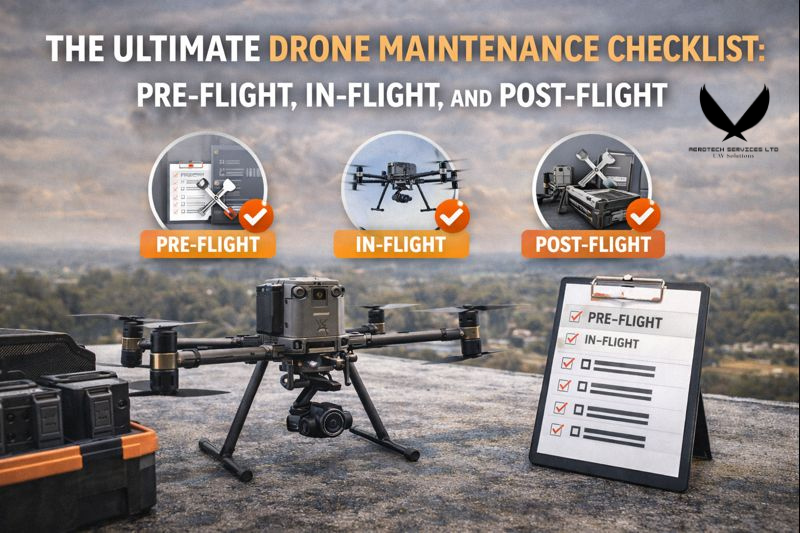
In the rapidly evolving world of UAVs, following a drone maintenance checklist ensures the difference between a successful mission and a costly accident. Whether you are a weekend hobbyist capturing stunning landscapes or a commercial pilot managing a fleet for complex industrial inspections, your drone is a sophisticated piece of machinery. It is subject to mechanical stress, environmental wear, and constant software evolution.
Effective drone maintenance is not just a recommendation; it is a critical pillar of safe and reliable flight operations. By implementing a structured maintenance checklist, you can significantly reduce the risk of hardware failure, enhance airspace safety, and dramatically extend the lifespan of your aircraft. Here is your comprehensive guide to mastering the three stages of drone maintenance.
The Foundation: Pre-Flight Maintenance
Pre-flight maintenance is your first line of defense. Every safe mission begins on the ground, long before the propellers start to spin. This stage is about proactive identification—finding the small “what-if” issues before they become “now-what” emergencies in the air.
1. Physical Airframe and Propeller Inspection
Begin with a visual sweep of the airframe. Look for hairline fractures in the plastic or carbon fiber, especially around the arms and motor mounts. Propellers require even closer scrutiny; even a tiny chip or a slight bend can cause catastrophic vibrations that lead to motor failure or flight instability. If a prop looks questionable, replace it—it is the cheapest insurance policy you can buy.
2. The Power System: Batteries and Connections
Drones are high-current devices. Inspect battery terminals for signs of corrosion or “puffing” (swelling). Ensure that batteries are not only fully charged but also seated securely in the airframe. A battery that shifts mid-flight can alter the center of gravity or, worse, disconnect entirely.
3. Sensors and Payload Security
If your drone carries a gimbal or specialized sensors (like LiDAR or thermal cameras), ensure the mounting brackets are tight and the lenses are clean. Calibrate the Compass and IMU (Inertial Measurement Unit) if you have traveled to a new location or if the app prompts you. These sensors are the “inner ear” of your drone; if they are disoriented, the aircraft will be too.
4. Software and Environment
Verify that your firmware is up to date, as manufacturers often release patches for known flight bugs. Finally, check your “external” maintenance: the weather. High winds, extreme cold, or incoming storms are environmental factors that your drone’s maintenance status must be able to withstand.
Real-Time Vigilance: In-Flight Monitoring
Maintenance doesn’t stop once the drone leaves the ground; it simply shifts into a digital and sensory format. In-flight monitoring is about situational awareness and interpreting the data your drone feeds back to you in real-time.
1. Monitoring the Vital Signs
Your flight controller is a window into the drone’s health. Keep a constant eye on battery voltage (not just percentage) and signal strength. A sudden drop in voltage, even if the percentage looks high, could indicate a failing cell. Similarly, monitor your GPS satellite count; falling below the recommended threshold could mean your drone loses its ability to hover in place (Position Mode).
2. Sensory Feedback
Listen to your drone. Experienced pilots can hear a “sick” motor or a loose propeller—it usually manifests as a high-pitched whistle or a low-frequency growl. If the drone exhibits unusual drifting or “toilet bowling” (circling while trying to hover), these are immediate red flags.
3. Environmental Adaptation
During flight, be aware of overheating. On hot days or during high-intensity maneuvers, motors and internal circuit boards can reach critical temperatures. If your system triggers a heat warning, land immediately and let the aircraft cool.
Ensuring Longevity: Post-Flight Maintenance
The mission isn’t over until the drone is cleaned, logged, and stored. Post-flight maintenance ensures that the wear and tear of today’s mission doesn’t become the failure of tomorrow’s.
1. The Clean-Down
Drones are magnets for environmental contaminants. After landing, use a soft brush or compressed air to remove dust from motor bell housings. Use a microfiber cloth to wipe down the airframe, removing grass stains, moisture, or salt spray if flying near the ocean. Contamination is a leading cause of premature motor bearing failure.
2. Data and Log Review
Modern drones record detailed flight logs. Periodic review of these logs can help you identify anomalies—such as a motor drawing more current than the others—that aren’t visible to the naked eye. This data-driven approach allows for “predictive maintenance,” replacing parts exactly when they need it, rather than waiting for them to break.
3. Battery Care and Storage
Never store your batteries fully charged or fully depleted for long periods, as this leads to permanent capacity loss. Most smart batteries should be kept at a “storage charge” (roughly 50-60%). Ensure they have cooled down to room temperature before putting them on a charger or in a sealed case.
Conclusion on Drone Maintenance Checklist
By consistently following a comprehensive pre-flight, in-flight, and post-flight maintenance routine, drone operators can improve operational safety, reduce downtime, and protect their valuable equipment. Maintenance is the hallmark of a professional pilot. It transforms a hobby into a craft and a commercial operation into a reliable service. Treat your aircraft with respect on the ground, and it will reward you with optimal performance across every mission.

