DJI Matrice 400 Review: Is it Worth Upgrading from the M350 RTK? Expert Pilots from AeroTECH SERVICES Weigh In
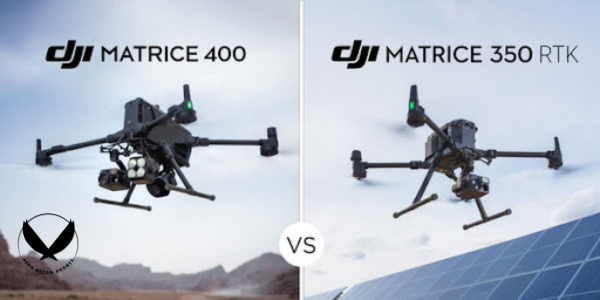
The arrival of a new flagship industrial drone always generates buzz, and the DJI Matrice 400 has proven to be a game-changer for professional aerial operations. At AeroTech Services Ltd, we pride ourselves on equipping our operators with the best technology to ensure maximum efficiency and safety on every mission, from pipeline surveillance to large-scale infrastructure inspections.
To give you a real-world, no-holds-barred assessment, we posed a comprehensive questionnaire to three of our seasoned UAV operators who have been flying the M400 for an extended period. Their extensive experience with the Matrice series, including the widely respected Matrice 350 RTK, offers an invaluable perspective on whether this latest upgrade delivers on its promise.
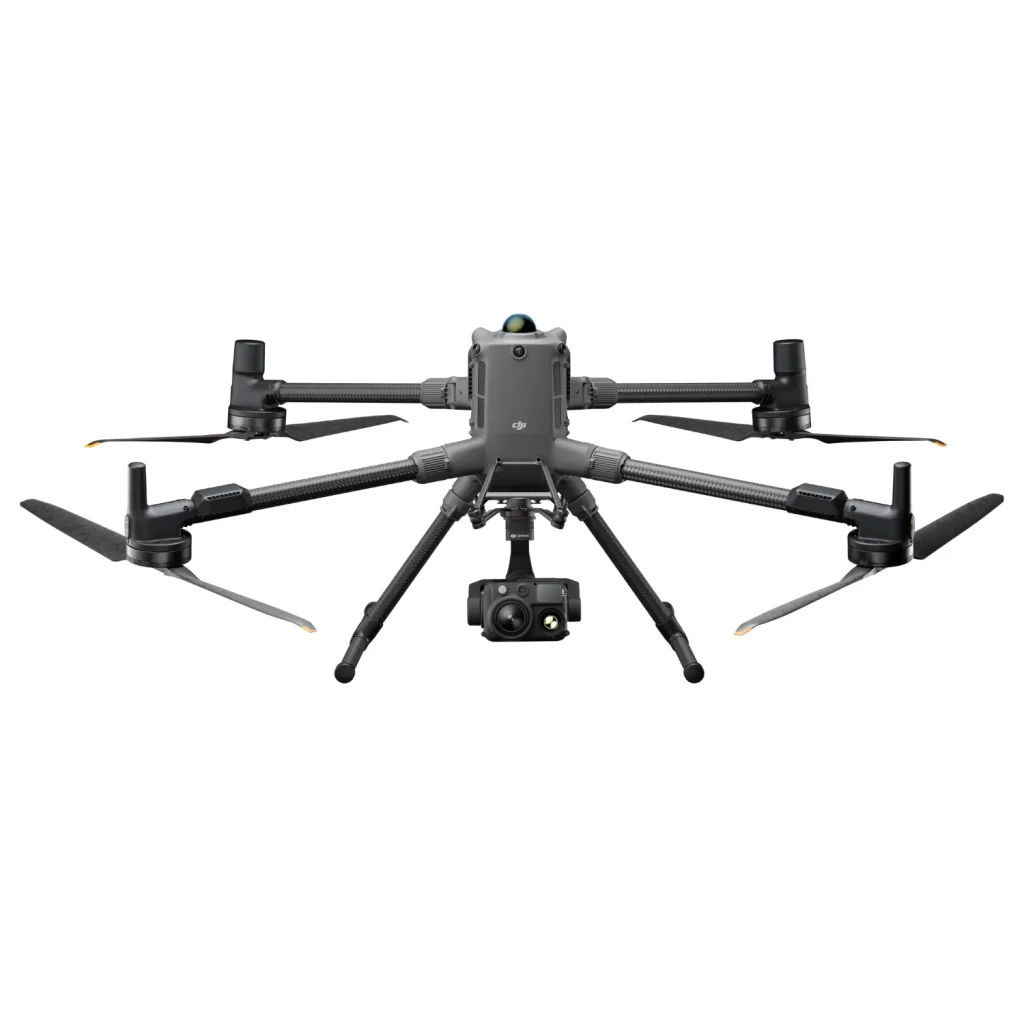
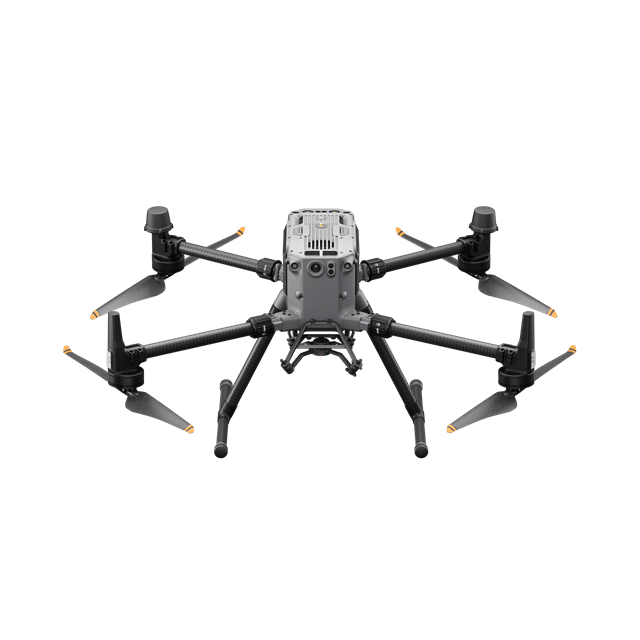
DJI Matrice 400 Review
Here is what our expert team had to say.
1. Can you share your experience flying the DJI Matrice 400 after over a week of usage?
The overall sentiment is overwhelmingly positive, with operators highlighting the drone’s enhanced capabilities for complex, long-duration missions.
“As a UAV operator, my experience with the DJI Matrice 400 has been impressive. The system is highly effective for our pipeline surveillance operations at the base. Its ability to travel long distances and provide extended flight time makes it outstanding.” — Mr. Okiki
“My experience flying the DJI Matrice 400 over the past week has been truly amazing. The drone is embedded with advanced technologies that make flight operations smoother, easier, and more efficient.” — Mr. Sam
“The experience is awesome so far; the cruise mode that allows the pilot task much easier and the high sensitivity of the pitch angles is superb.” — Mr. Kelechi
2. What are the realistic differences between flying the Matrice 350 RTK and the Matrice 400? Is it easier to fly?
Our operators pointed to several key, realistic differences beyond mere specifications, with ease-of-flight being a direct result of the M400’s new intelligent features and hardware design.
Extended Range and Endurance
The single most impactful difference cited is the operational coverage, which directly impacts mission planning and efficiency.
“The first is the flight time — the M400 offers a maximum flight time of 59 minutes [compared to the M350 RTK’s 55 minutes]. Secondly, the M400 can cover longer operational coverage compared to the DJI Matrice 350 RTK because it has an embedded airborne relay system. This allows two DJI Matrice 400 aircraft to communicate with each other while airborne, with one serving as a relay to extend the communication range and maintaining signal strength to the main aircraft designated for the operation.” — Mr. Okiki
“In addition, the Matrice 400 comes equipped with advanced features such as automatic cruise control, artificial intelligence functions, and the ability to connect to another Matrice 400 drone serving as a relay aircraft. This relay capability allows for extended range and longer mission operations—it’s a feature the Matrice 350 RTK does not support.” — Mr. Sam
Pilot Efficiency and Smart Features
New flight modes and AI capabilities translate directly to a reduction in pilot fatigue and an increase in data quality.
“The DJI Matrice 400 has a cruise control option that allows the pilot to lock its desired speed while airborne, making it more efficient compared to the M350 RTK, which lacks this function. Lastly, the introduction of smart AI functions enables the system to intelligently detect and classify cars, ships, people, and animals automatically, which improves the pilots’ situation awareness during flight.” — Mr. Okiki
“The cruise mode that allows the pilot task much easier and the high sensitivity of the pitch angles is superb. The flight time of the Matrice 400 is way longer than the 350 RTK drone and also the cruise control mode, also the AI mode implemented in the aircraft is so useful to intensify objects while flying.” — Mr. Kelechi
Hardware and Durability
One operator noted crucial, yet less obvious, hardware changes that impact field reliability.
“The Matrice 400 is slightly heavier and features a single battery compartment, whereas the Matrice 350 RTK has dual battery slots. The propellers on the Matrice 400 are made of fiber material, offering better durability compared to the plastic propellers on the Matrice 350 RTK.” — Mr. Sam
3. Is the upgrade worth it?
On this question, the response was a unanimous and emphatic “yes.”
“Yes, the upgrade is absolutely worth it.” — Mr. Okiki
“Yes, the upgrade is absolutely worth it. The improvements made in the DJI Matrice 400 make flying more effortless and less stressful, greatly enhancing the overall operator experience.” — Mr. Sam
“Yes definitely.” — Mr. Kelechi
4. Which do you prefer between the 350 RTK and the 400?
The Matrice 400 is the clear new favorite, with the airborne relay system standing out as a critical feature for professional operations.
“The DJI Matrice 400 is much more preferable until a newer upgrade becomes available in the market. I believe it’s the best choice for industrial applications such as surveillance, inspections, search and rescue, and mapping.” — Mr. Okiki
“I prefer the DJI Matrice 400 due to its significant upgrades, especially the ability to use a secondary aircraft as a relay. This feature expands its operational range and flexibility.” — Mr. Sam
“I prefer the Dji Matrice 400.” — Mr. Kelechi
5. What improvements would you like to see in an updated version of the Matrice 400?
Even with all its advancements, our expert operators have clear suggestions for the next generation of industrial drones, focusing primarily on further integration of AI and extended flight capability under heavy load.
“Future upgrades should focus more on integrating advanced artificial intelligence features and increasing flight time.” — Mr. Okiki
“I would love to see future versions of the DJI Matrice 400 include automatic target tracking capabilities during cruise flight. Additionally, improving the FPV (First-Person View) camera for clearer visuals would further enhance its performance.” — Mr. Sam
“The flight time should be improved especially while the aircraft is carrying a heavy payload and more extension for the relay aircraft.” — Mr. Kelechi
AeroTECH SERVICES’ Verdict: A Must-Have Industrial Platform
The feedback from our field operators, Mr. Okiki, Mr. Sam, and Mr. Kelechi, confirms that the DJI Matrice 400 is more than an incremental improvement; it is a significant leap forward in enterprise drone technology.
The enhancements in flight endurance, the introduction of the airborne relay system for unparalleled operational range, and the inclusion of advanced AI-driven features like cruise control and smart object classification fundamentally change how critical missions are executed. For specialized tasks like the pipeline surveillance conducted by our team at AeroTech Services Ltd, these features translate directly into faster, more reliable, and ultimately safer operations.
The move to a more durable propeller material and the single high-capacity battery system (TB100) are pragmatic improvements that speak to the Matrice 400’s design for continuous, rugged industrial use. While our operators have a forward-looking wish list, particularly for more sophisticated AI tracking and even greater endurance with max payload, the consensus is clear: the Matrice 400 is the new standard for the industry, making the upgrade a justified investment for any professional operation.
For businesses prioritizing extended range, high payload flexibility, and cutting-edge operational intelligence, the DJI Matrice 400 is a powerful, reliable platform ready to tackle the most demanding aerial challenges.